Leaking Abdominal Aortic Aneurysm Symptoms Pictures & Videos From 2026 #907
Play Now leaking abdominal aortic aneurysm symptoms boutique digital broadcasting. Zero subscription charges on our content hub. Submerge yourself in a large database of themed playlists demonstrated in Ultra-HD, ideal for passionate viewing followers. With the newest drops, you’ll always keep abreast of. See leaking abdominal aortic aneurysm symptoms expertly chosen streaming in sharp visuals for a truly captivating experience. Access our digital space today to view one-of-a-kind elite content with at no cost, subscription not necessary. Get access to new content all the time and discover a universe of rare creative works made for elite media followers. Don't pass up never-before-seen footage—download immediately! Experience the best of leaking abdominal aortic aneurysm symptoms exclusive user-generated videos with stunning clarity and exclusive picks.
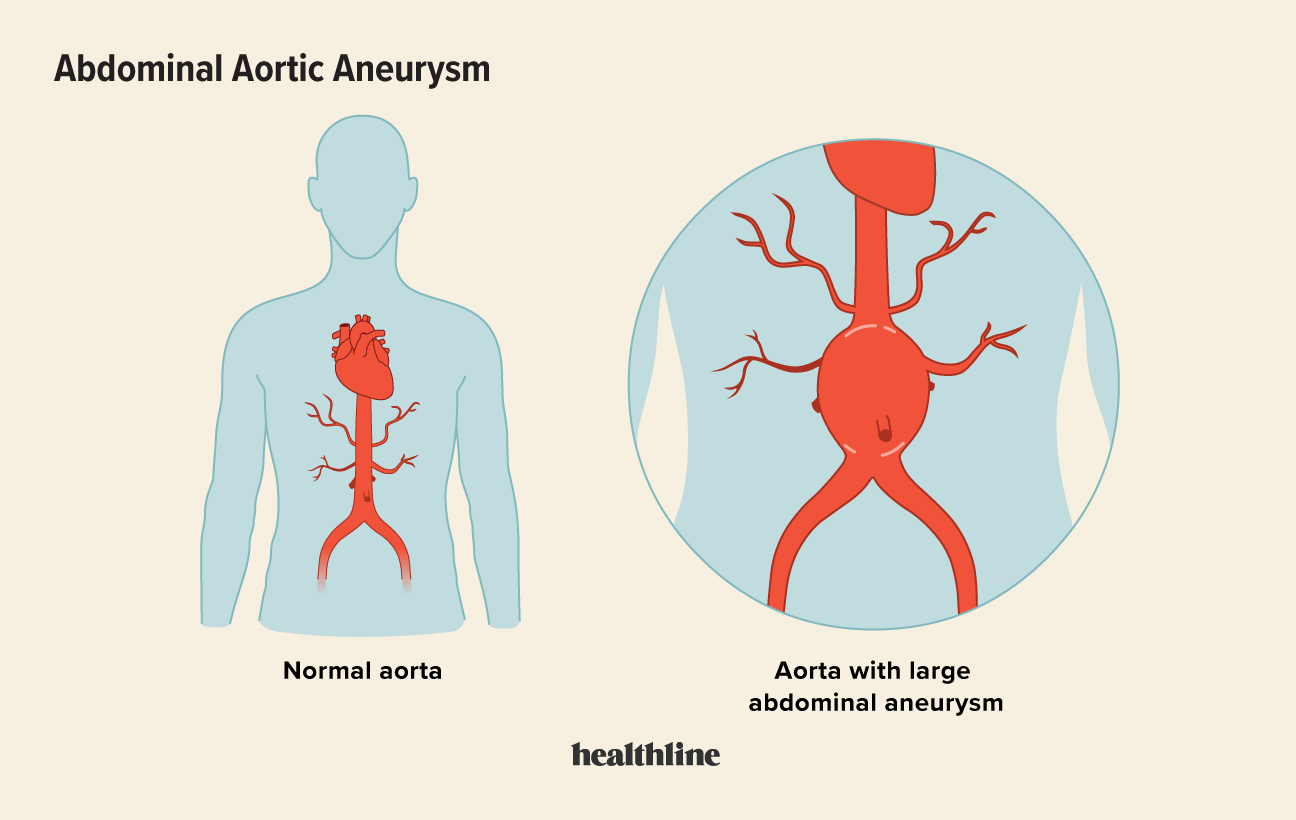
An abdominal aortic aneurysm is an enlarged area in the lower part of the body's main artery, called the aorta You may see or feel a throbbing. The aorta goes from the heart through the center of the chest and belly area, called the abdomen
Abdominal Aortic Aneurysm: Causes, Treatment, and Prevention
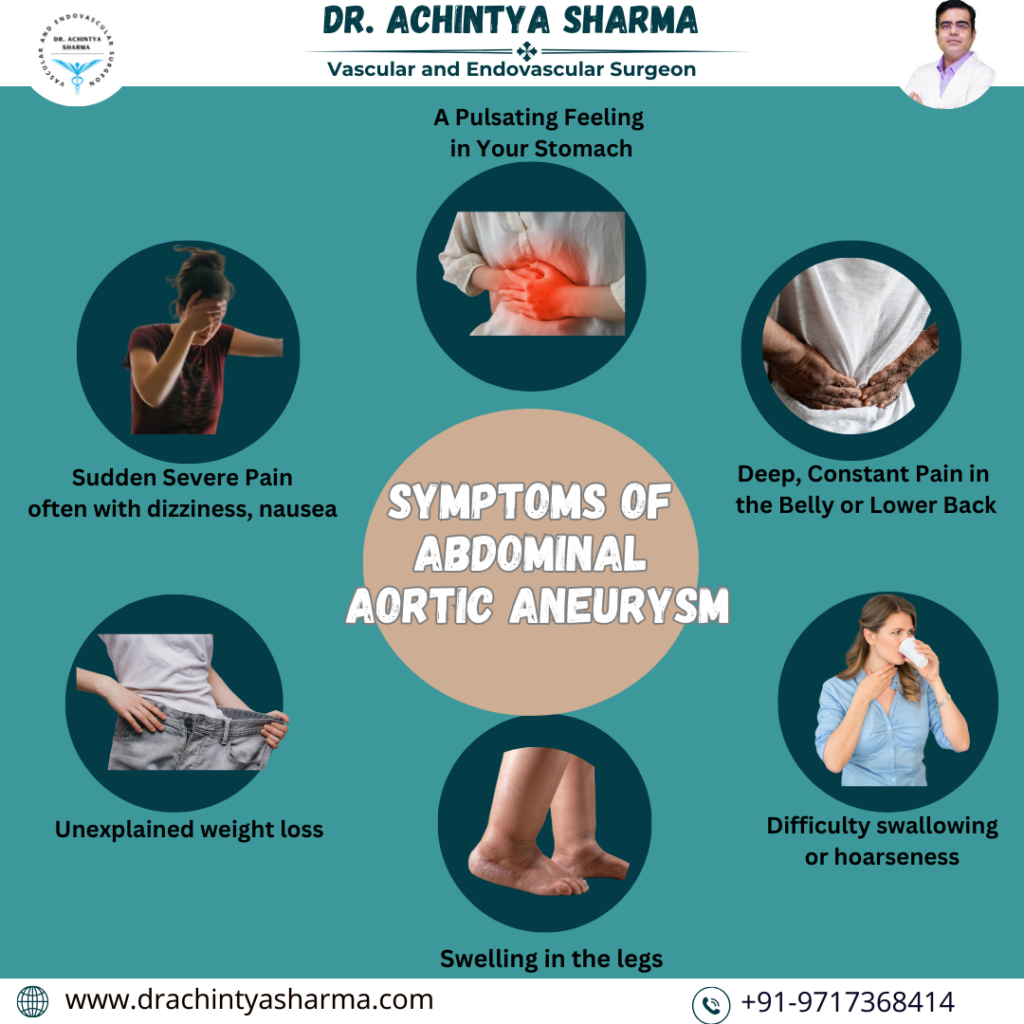
A leaking abdominal aortic aneurysm may feel like abdominal pain or tenderness, along with other symptoms. Pain in the abdomen or lower back extending into the groin and legs may be due to an abdominal aneurysm An abdominal aortic aneurysm occurs in the aorta section that passes through the abdomen, while a thoracic aortic aneurysm develops in the chest area
Both types share common traits, such as the risk of rupture, but their location and specific symptoms differ.
An abdominal aortic aneurysm is a bulge in the part of your aorta that runs through your belly It may cause back or belly pain, or a pulsing feeling in your belly. A leaking abdominal aortic aneurysm is a medical emergency Learn about its symptoms, causes, and treatment options for effective management.
Risk factors for aaa include age, smoking, high blood pressure, and family history Early detection through screening is vital, as an untreated aaa can rupture, leading to severe internal bleeding Symptoms like abdominal pain, a pulsating sensation, or. Some symptoms can be a sign of a specific type of aneurysm
:max_bytes(150000):strip_icc()/aortic-aneurysm-symptoms-5ad8b7dea18d9e00362e79bc.png)