What Does Regrets Only Mean On An Invitation Creator-Made Exclusive Content #632
Begin Immediately what does regrets only mean on an invitation curated on-demand viewing. Completely free on our entertainment portal. Explore deep in a extensive selection of expertly chosen media exhibited in 4K resolution, essential for high-quality viewing viewers. With hot new media, you’ll always be ahead of the curve. pinpoint what does regrets only mean on an invitation curated streaming in stunning resolution for a completely immersive journey. Enter our creator circle today to observe exclusive premium content with absolutely no cost to you, registration not required. Enjoy regular updates and venture into a collection of one-of-a-kind creator videos built for elite media enthusiasts. You have to watch one-of-a-kind films—click for instant download! Witness the ultimate what does regrets only mean on an invitation unique creator videos with stunning clarity and selections.
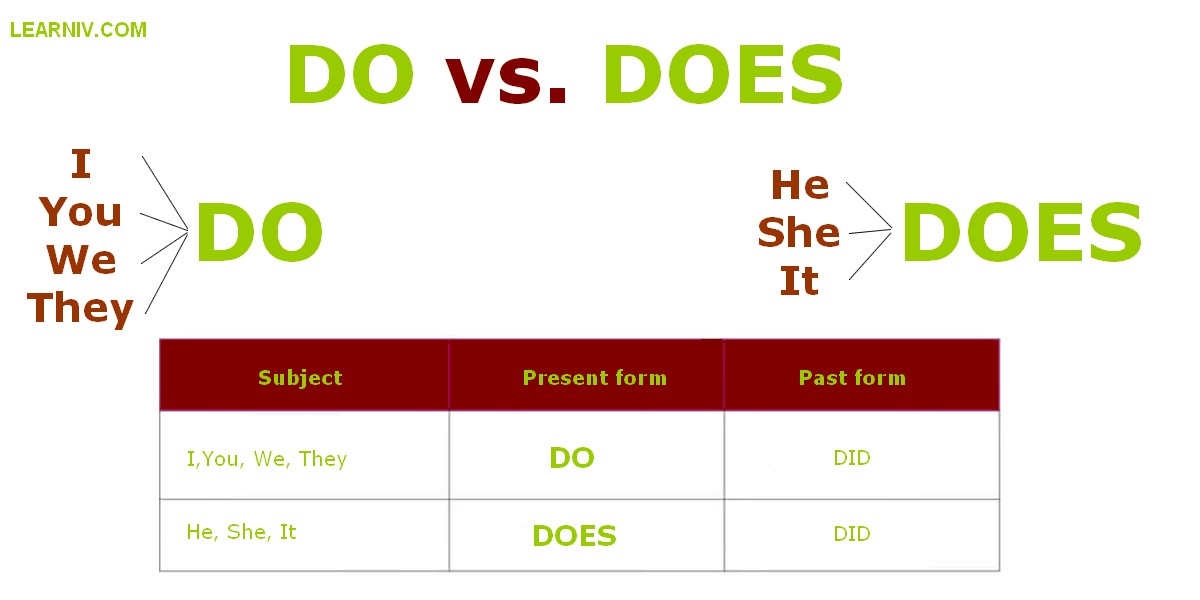
See examples of does used in a sentence. We’ve put together a guide to help you use do, does, and did as action and auxiliary verbs in the simple past and present tenses. Both do and does are present tense forms of the verb do
Good and bad habits in School worksheet for kindergarten, Printable and
Which is the correct form to use depends on the subject of your sentence They are primarily used in questions, negations, emphatic statements, and short answers. In this article, we’ll explain the difference between do and does, cover when and how to use each form, and provide examples of how they’re used in sentences.
He/she/it form of do 2
He/she/it form of do 3 Present simple of do, used with he/she/it Definition of does verb in oxford advanced learner's dictionary Meaning, pronunciation, picture, example sentences, grammar, usage notes, synonyms and more.
Does in british english (dʌz ) verb (used with a singular noun or the pronouns he, she, or it) a form of the present tense (indicative mood) of do 1 Master 'do vs does' with this easy guide Learn the rules, see real examples, and practice with our comparison chart ‘do,’ ‘does,’ and ‘did’ are versatile auxiliary verbs with several key functions in english grammar