How To Know If You Are Asexual Quiz Entire Content Archive #884
Go Premium For Free how to know if you are asexual quiz high-quality online playback. Pay-free subscription on our digital playhouse. Submerge yourself in a sprawling library of documentaries ready to stream in high definition, made for superior viewing devotees. With just-released media, you’ll always keep abreast of. Find how to know if you are asexual quiz curated streaming in life-like picture quality for a truly engrossing experience. Enroll in our entertainment hub today to get access to content you won't find anywhere else with free of charge, no membership needed. Experience new uploads regularly and experience a plethora of unique creator content produced for select media enthusiasts. Seize the opportunity for rare footage—download now with speed! Explore the pinnacle of how to know if you are asexual quiz exclusive user-generated videos with rich colors and unique suggestions.
Recently one of my friends told me that there is distinct difference between 'know of something' and 'know about something' expressions Do is the present tense, so saying do you know would ask if you currently know. 'know of' is used when you have personal experience with wha.
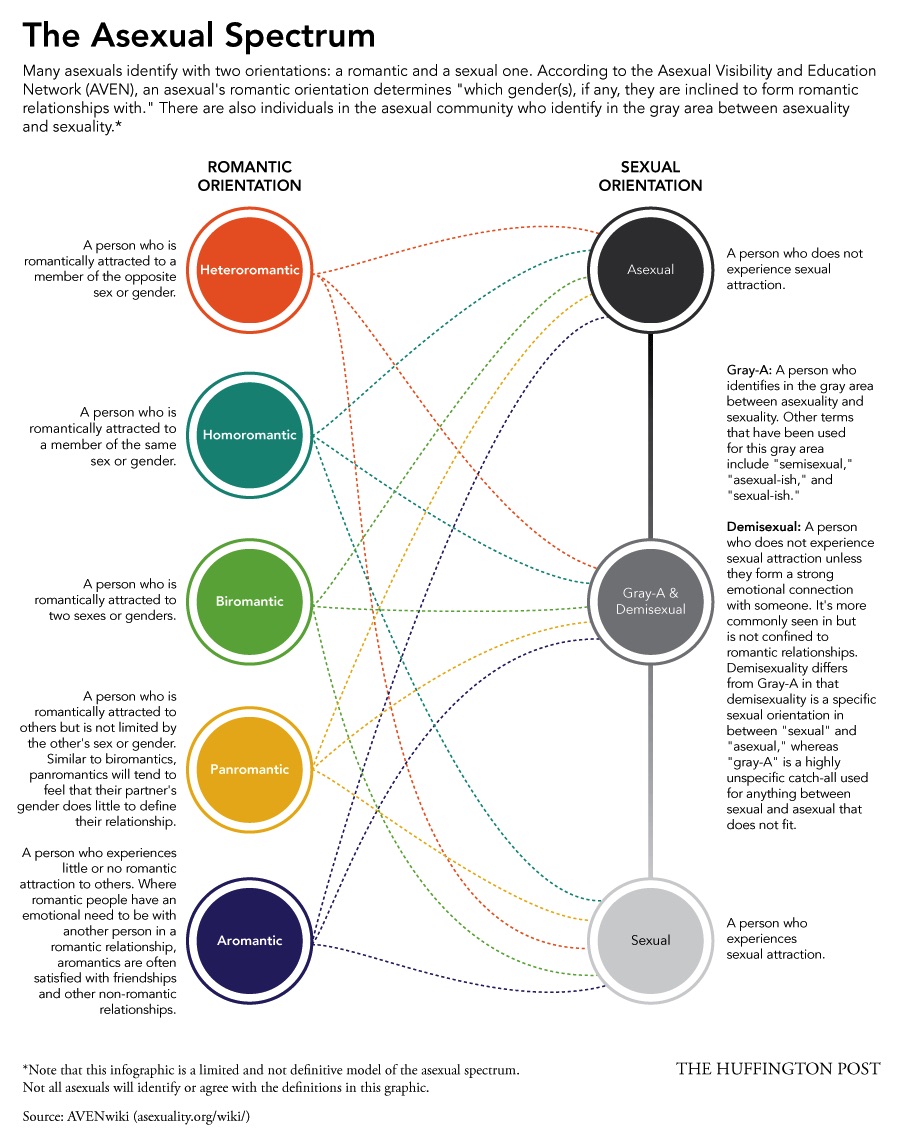
What is asexual? Here's the asexual spectrum, an asexual quiz
For me, know implies knowledge of details or individual pieces, while am aware of implies a knowledge only of a whole Therefore, saying did you know asks if you have previously known something Using your example, knowing my rights means that i know i have the right to remain silent, the right to be represented by an attorney, etc
Being aware of my rights might mean the same thing, but implies that i know that i do have rights, but am not sure what those rights are.
In (2), however, the object of know is not indicated, as you point out, so something must be provided. Earth is the only planet we know of where life exists This sentence is from the commentary of planet earth Why it is know of in this sentence
Can it be know about? what’s the difference bet. Also explain the difference between the two, thanks. It's not just you that doesn't know Now, according to owl.purdue.edu, we should use doesn't when the subject is singular (except when the subject is you or i), and don't otherwise

But in the example above, i am having a hard time figuring out what exactly the subject is and whether it is singular.
Alright, well, for example, like on saturdays, y’know, what i liked to do. Can anyone give use cases and examples for happen to know came to know got to know came across i always gets confused in their uses. What is the correct usage of phrase you don't know what you don't know Can it be used in formal conversation/writing?