
How To Know If You Have A Slab Leak Artist & Creator Videos #870
Begin Your Journey how to know if you have a slab leak hand-selected viewing. No hidden costs on our visual library. Experience fully in a comprehensive repository of series brought to you in flawless visuals, a dream come true for premium viewing mavens. With trending videos, you’ll always have the latest info. Uncover how to know if you have a slab leak curated streaming in crystal-clear visuals for a truly captivating experience. Become a part of our digital hub today to stream restricted superior videos with cost-free, no commitment. Look forward to constant updates and browse a massive selection of distinctive producer content designed for elite media supporters. Act now to see unique videos—start your fast download! Experience the best of how to know if you have a slab leak bespoke user media with vivid imagery and special choices.
Recently one of my friends told me that there is distinct difference between 'know of something' and 'know about something' expressions Do is the present tense, so saying do you know would ask if you currently know. 'know of' is used when you have personal experience with wha.
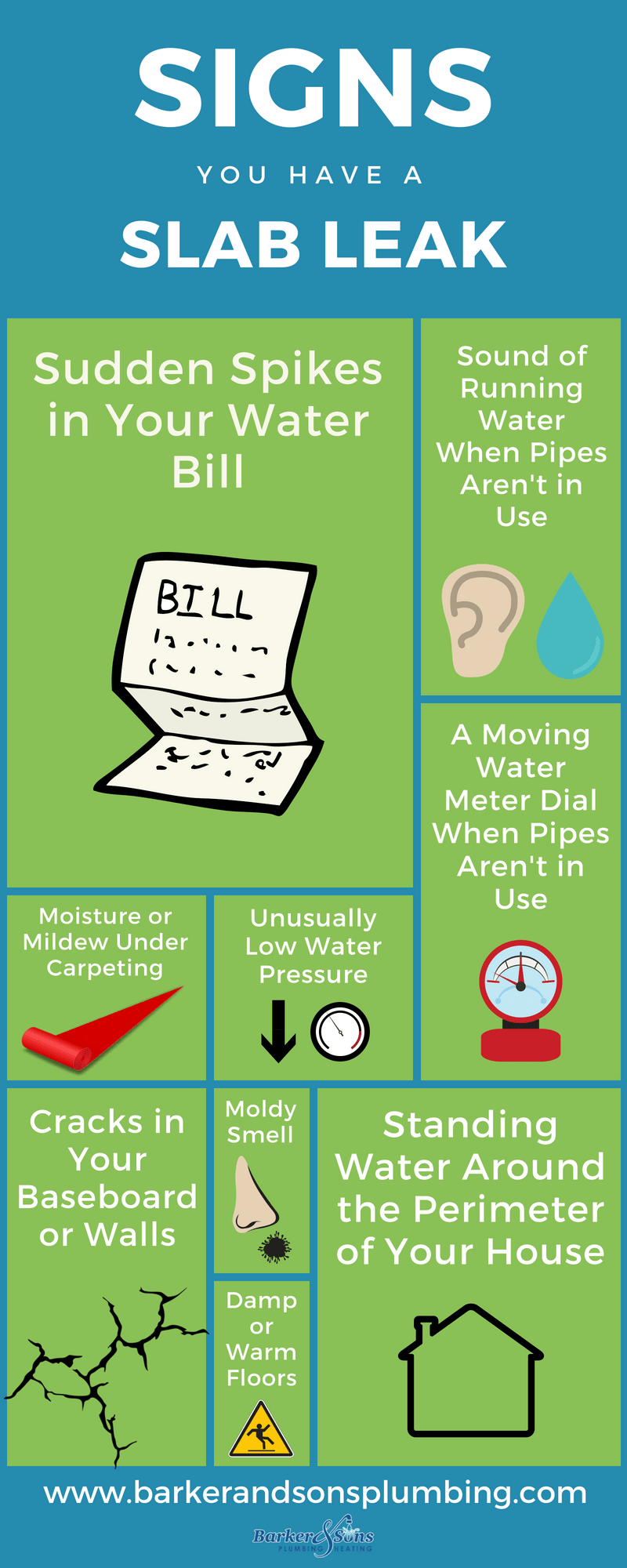
What is a Slab Leak? Here's How to Spot One | Fountain Plumbing | Tyler, TX
For me, know implies knowledge of details or individual pieces, while am aware of implies a knowledge only of a whole Therefore, saying did you know asks if you have previously known something Using your example, knowing my rights means that i know i have the right to remain silent, the right to be represented by an attorney, etc
Being aware of my rights might mean the same thing, but implies that i know that i do have rights, but am not sure what those rights are.
In (2), however, the object of know is not indicated, as you point out, so something must be provided. Earth is the only planet we know of where life exists This sentence is from the commentary of planet earth Why it is know of in this sentence
Can it be know about? what’s the difference bet. Also explain the difference between the two, thanks. It's not just you that doesn't know Now, according to owl.purdue.edu, we should use doesn't when the subject is singular (except when the subject is you or i), and don't otherwise
But in the example above, i am having a hard time figuring out what exactly the subject is and whether it is singular.
Alright, well, for example, like on saturdays, y’know, what i liked to do. Can anyone give use cases and examples for happen to know came to know got to know came across i always gets confused in their uses. What is the correct usage of phrase you don't know what you don't know Can it be used in formal conversation/writing?