Manduca Sexta Life Cycle 2026 Content Release #859
Activate Now manduca sexta life cycle pro-level watching. On the house on our cinema hub. Explore deep in a great variety of featured videos displayed in 4K resolution, a must-have for exclusive watching followers. With just-released media, you’ll always never miss a thing. Watch manduca sexta life cycle preferred streaming in stunning resolution for a truly enthralling experience. Get into our online theater today to witness subscriber-only media with totally complimentary, no subscription required. Benefit from continuous additions and investigate a universe of unique creator content engineered for select media admirers. Be certain to experience unseen videos—rapidly download now! Explore the pinnacle of manduca sexta life cycle visionary original content with impeccable sharpness and hand-picked favorites.
Meet the tobacco hornworm (manduca sexta), a member of the lepidoptera order that emerges as a moth in adulthood This species is more popular as tobacco hornworm, a name by which its larva is called. Most common throughout the southern and gulf coast states, this caterpillar is easily recognizable due to its distinct green hue, vertical lines trailing down each side, and its “horn” located on the posterior of its abdomen.
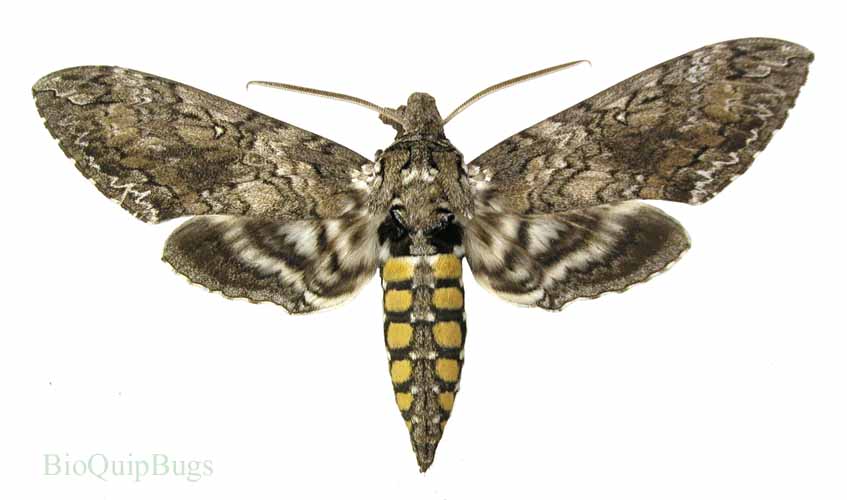
Manduca sexta - BioQuipBugs
Sexta has mechanisms for selectively sequestering and secreting the neurotoxin nicotine present in tobacco Carolina sphinx moth/tobacco hornworm (manduca sexta) the carolina sphinx moth, or tobacco hawk moth, is a part of the sphingidae family indigenous to different parts of the united states, central america, and the caribbean islands Sexta is a common model organism, especially in neurobiology, due to its easily accessible nervous system and short life cycle.
Life cycle manduca sexta undergoes two generations per year in northern parts of its range, three or more in the south, including louisiana
The life cycle requires 30 to 50 days to complete, depending on season, with warmer temperatures speeding up the process Female moths deposit eggs on the underside of plant leaves. Scientific name manduca quinquemaculata, manduca sexta (most common) hosts homworms feed primarily on solanaceous plants These, include tobacco, tomato, eggplant, pepper, potato, and certain weeds
Tobacco and tomato plants are preferred for oviposition Symptoms the larvae consume large amounts of foliage and 2 or 3 large larvae can virtually defoliate even a large plant