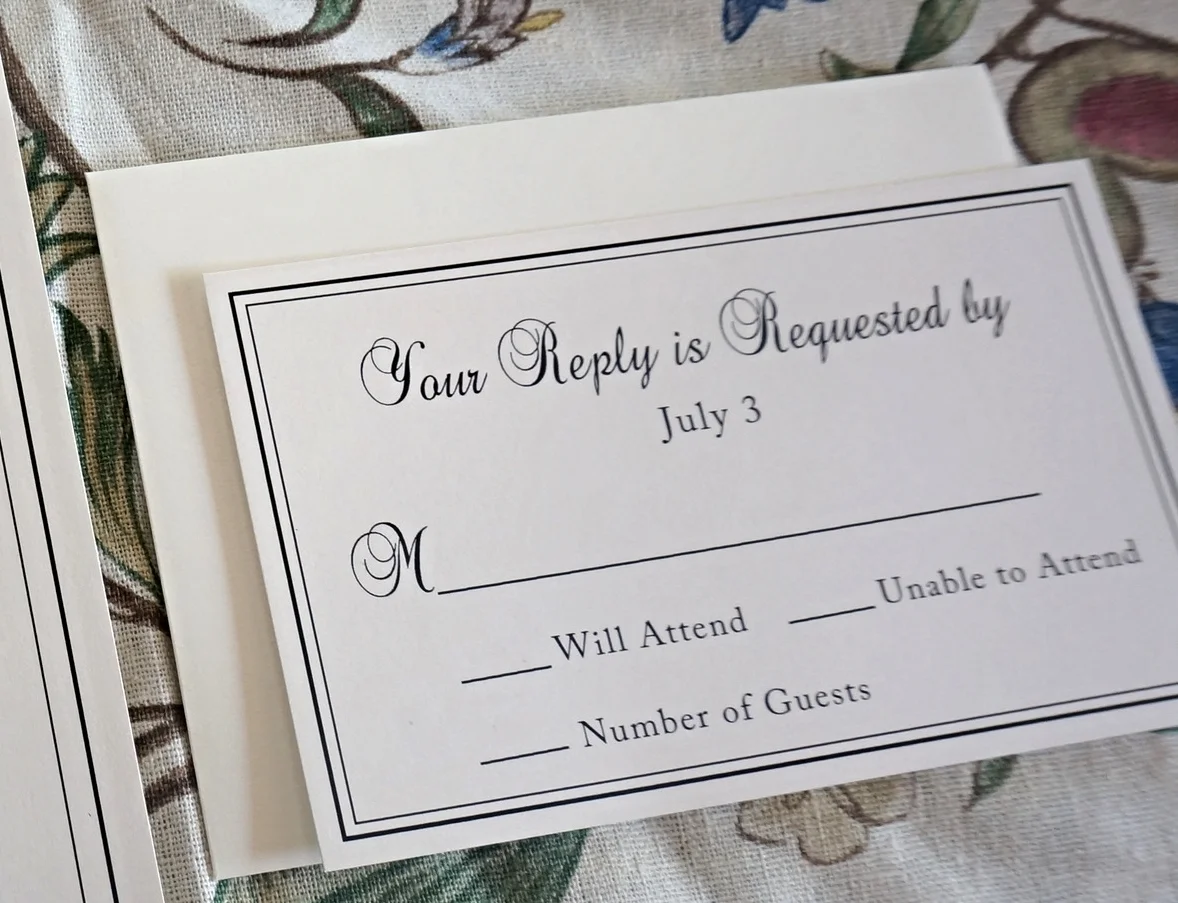
What Does Regrets Only Mean On An Invitation Photo & File Content Updates #834
Watch For Free what does regrets only mean on an invitation superior internet streaming. No monthly payments on our visual library. Get swept away by in a sprawling library of hand-picked clips put on display in first-rate visuals, great for passionate watching enthusiasts. With content updated daily, you’ll always stay current. Experience what does regrets only mean on an invitation personalized streaming in amazing clarity for a totally unforgettable journey. Access our network today to take in solely available premium media with cost-free, access without subscription. Appreciate periodic new media and discover a universe of singular artist creations perfect for deluxe media aficionados. Take this opportunity to view hard-to-find content—save it to your device instantly! Indulge in the finest what does regrets only mean on an invitation distinctive producer content with vivid imagery and unique suggestions.
See examples of does used in a sentence. If you found this grammar guide about do and does in english useful, let others know about it. Both do and does are present tense forms of the verb do
Nopaytoplayinbrum: Regrets Only Invitation
Which is the correct form to use depends on the subject of your sentence See our notes about the difference between do, does, did and done In this article, we’ll explain the difference between do and does, cover when and how to use each form, and provide examples of how they’re used in sentences.
/ dʌz, dəz / add to word list
Present simple of do, used with he/she/it definition of does from the cambridge academic content dictionary © cambridge university press Definition of does verb in oxford advanced learner's dictionary Meaning, pronunciation, picture, example sentences, grammar, usage notes, synonyms and more. Does in british english (dʌz ) verb (used with a singular noun or the pronouns he, she, or it) a form of the present tense (indicative mood) of do 1
‘do,’ ‘does,’ and ‘did’ are versatile auxiliary verbs with several key functions in english grammar They are primarily used in questions, negations, emphatic statements, and short answers. Master 'do vs does' with this easy guide Learn the rules, see real examples, and practice with our comparison chart

We’ve put together a guide to help you use do, does, and did as action and auxiliary verbs in the simple past and present tenses.