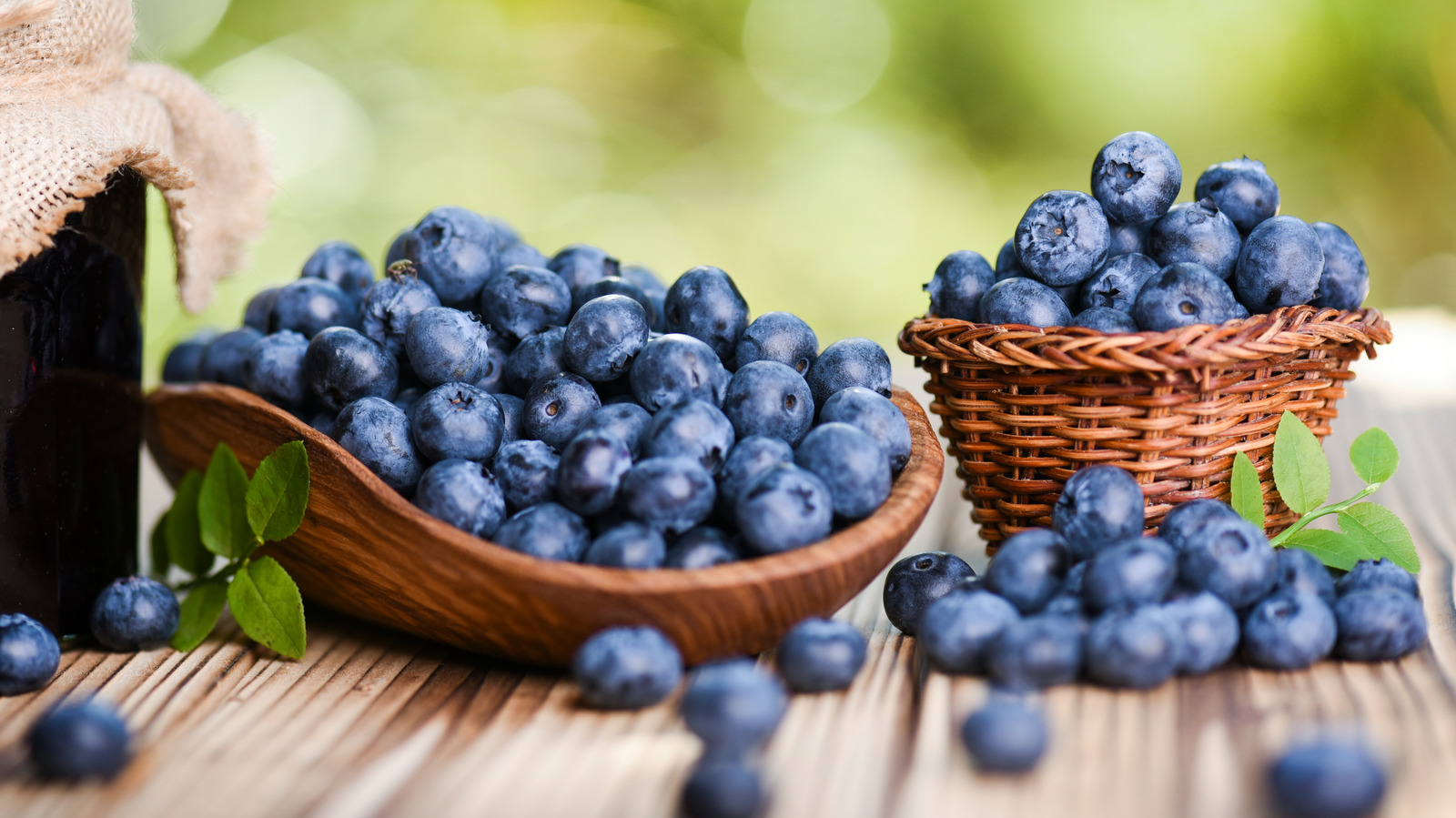
Are Blueberries The Only Blue Fruit Complete Photos & Video Media #859
Claim Your Access are blueberries the only blue fruit high-quality video streaming. No subscription fees on our digital playhouse. Become absorbed in in a comprehensive repository of shows displayed in HD quality, perfect for passionate streaming supporters. With content updated daily, you’ll always receive updates. stumble upon are blueberries the only blue fruit specially selected streaming in breathtaking quality for a genuinely engaging time. Get involved with our streaming center today to feast your eyes on special deluxe content with no payment needed, no recurring fees. Look forward to constant updates and venture into a collection of indie creator works made for select media savants. Don't pass up rare footage—rapidly download now! Access the best of are blueberries the only blue fruit distinctive producer content with breathtaking visuals and hand-picked favorites.
Blueberries only appear blue due to a natural wax coating that reflects ultraviolet light In the study, published today in science advances, researchers show why blueberries are blue. Learn how this wax works, why blueberries are not the only blue fruit, and what it means for color science.
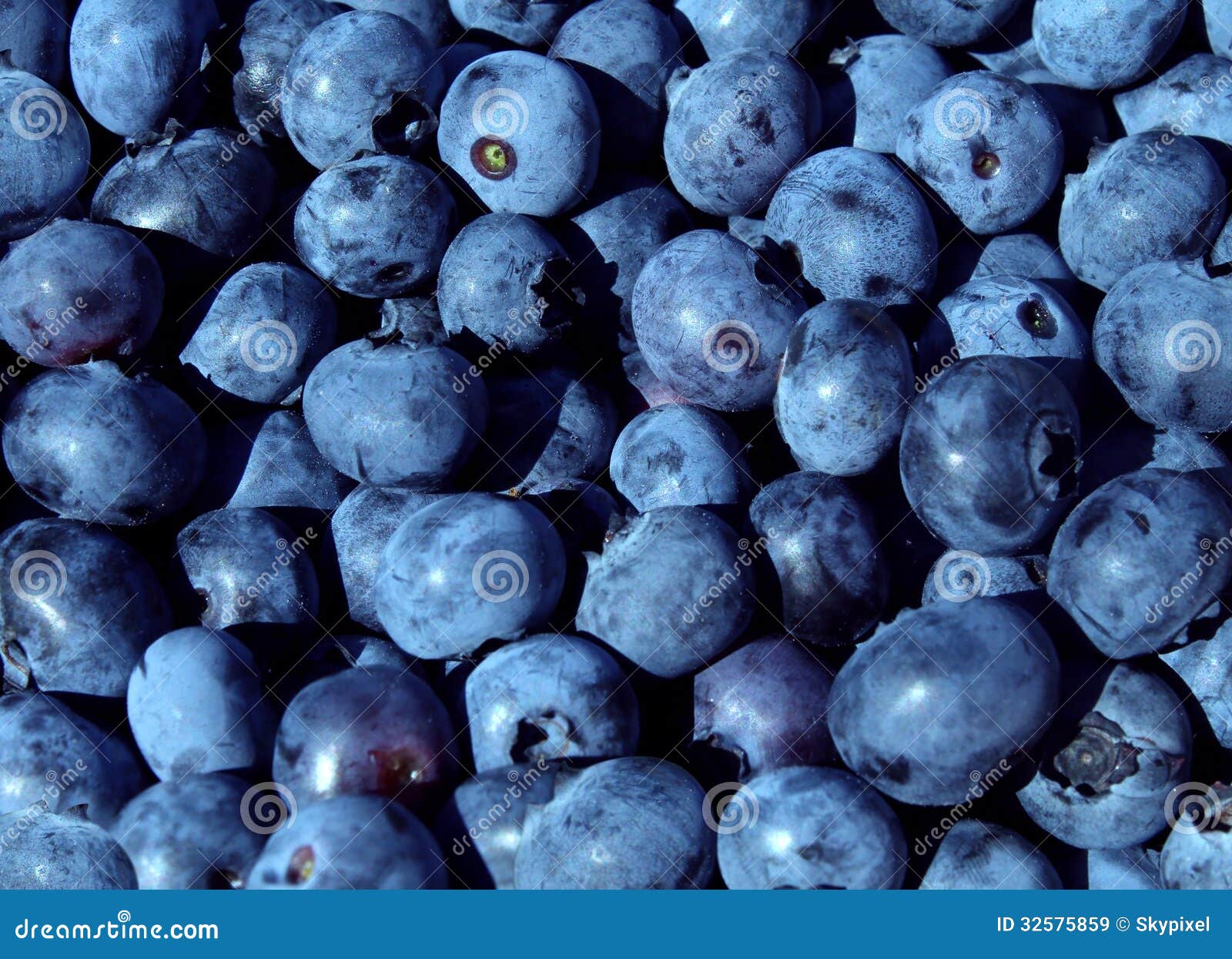
Blueberries fruit stock image. Image of miracle, farming - 32575859
Blueberries have a thin layer of wax with tiny structures that scatter blue and uv light, creating a blue appearance This applies to lots of fruits that are the same colour including damsons, sloes and juniper berries This is one of the rare tricks that nature uses to make blue colors without blue pigments.
Roses are red and blueberries look blue
But the berry’s color is not really true The fruit’s waxy coat just masquerades as blue This wax contains a host of tiny structures, each less than a thousandth the thickness of a piece of paper Such nanostructures scatter blue and ultraviolet.
Blueberries showing various stages of maturation Ig = immature green, gp = green pink, bp = blue pink, and r = ripe Blueberries are a widely distributed and widespread group of perennial flowering plants with blue or purple berries They are classified in the section cyanococcus within the genus vaccinium
[1] commercial blueberries—both wild (lowbush) and cultivated (highbush)—are all.
Other fruits like certain grapes and plums also use structural coloration, displaying similar reflective properties Interestingly, this color effect is a natural marvel Blue is one of the rarest colors found in organic pigments, making the structural coloration seen in blueberries a fascinating exception in the plant world. We finally understand why blueberries are blue — and the secret lies not in the flesh or skin, but the waxy coating around it.