New Sexually Transmitted Private Collection Updates #790
Play Now new sexually transmitted first-class webcast. No monthly payments on our digital collection. Get swept away by in a boundless collection of videos showcased in unmatched quality, ideal for dedicated viewing gurus. With contemporary content, you’ll always get the latest. Explore new sexually transmitted hand-picked streaming in incredible detail for a truly captivating experience. Link up with our community today to feast your eyes on solely available premium media with at no cost, no need to subscribe. Be happy with constant refreshments and journey through a landscape of one-of-a-kind creator videos created for choice media junkies. Make sure you see original media—download quickly! See the very best from new sexually transmitted one-of-a-kind creator videos with impeccable sharpness and staff picks.
A concerning new sexually transmitted infection has been identified A dermatophyte known as trichophyton mentagrophytes genotype vii (tmvii) has been identified as the cause of an emerging sexually transmitted fungal infection in four adults in the united states. Health experts believe it may have already spread widely without detection
2023 CDC data suggest the STI epidemic may be slowing | CDC Newsroom
This new sti, named mycoplasma genitalium strain b. It's a rare sign of improvement that suggests prevention efforts are working. Dear colleague today, cdc released sexually transmitted infections (sti) surveillance, 2024 (provisional), providing the latest national data on trends for three nationally notifiable sexually transmitted infections (stis)
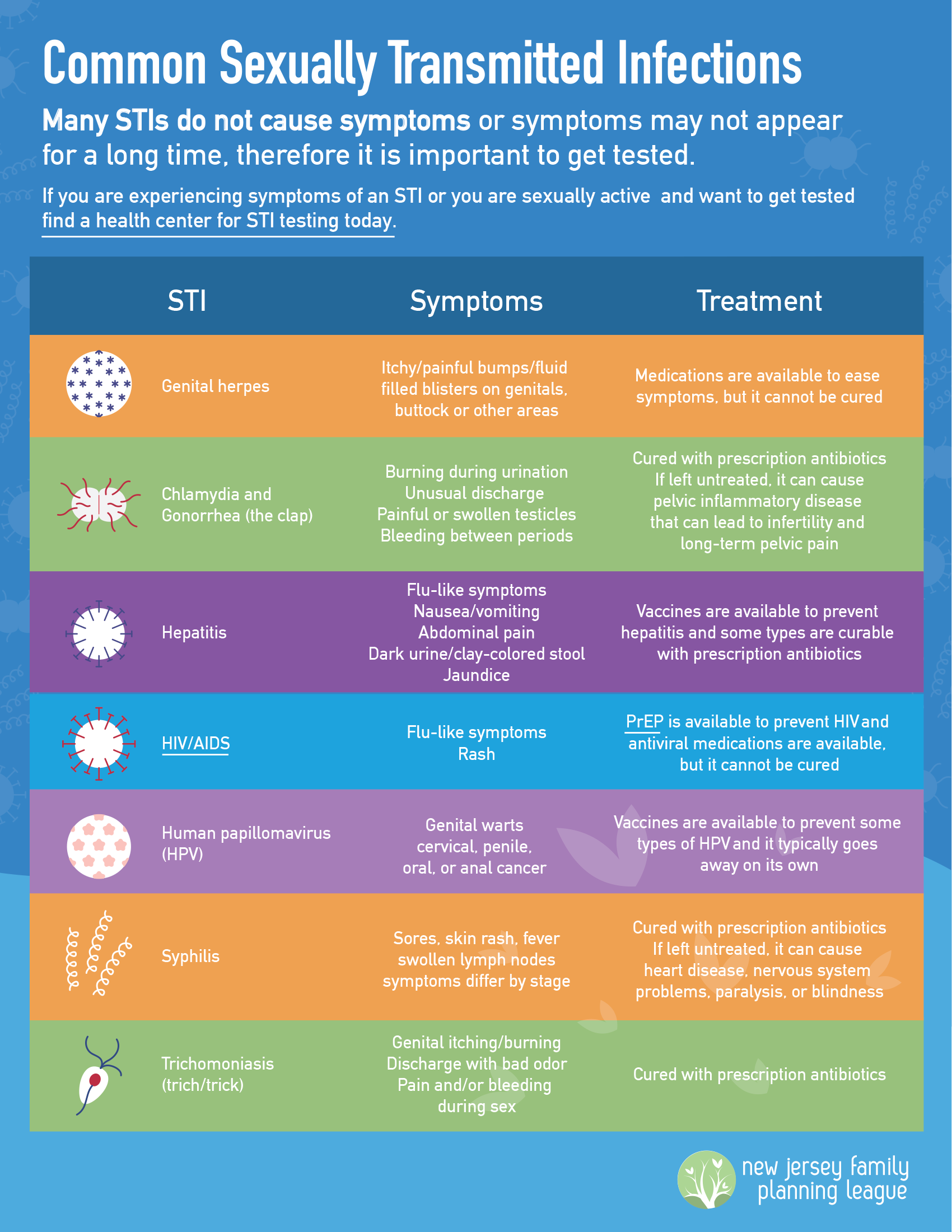
Chlamydia, gonorrhea, and syphilis, including congenital syphilis
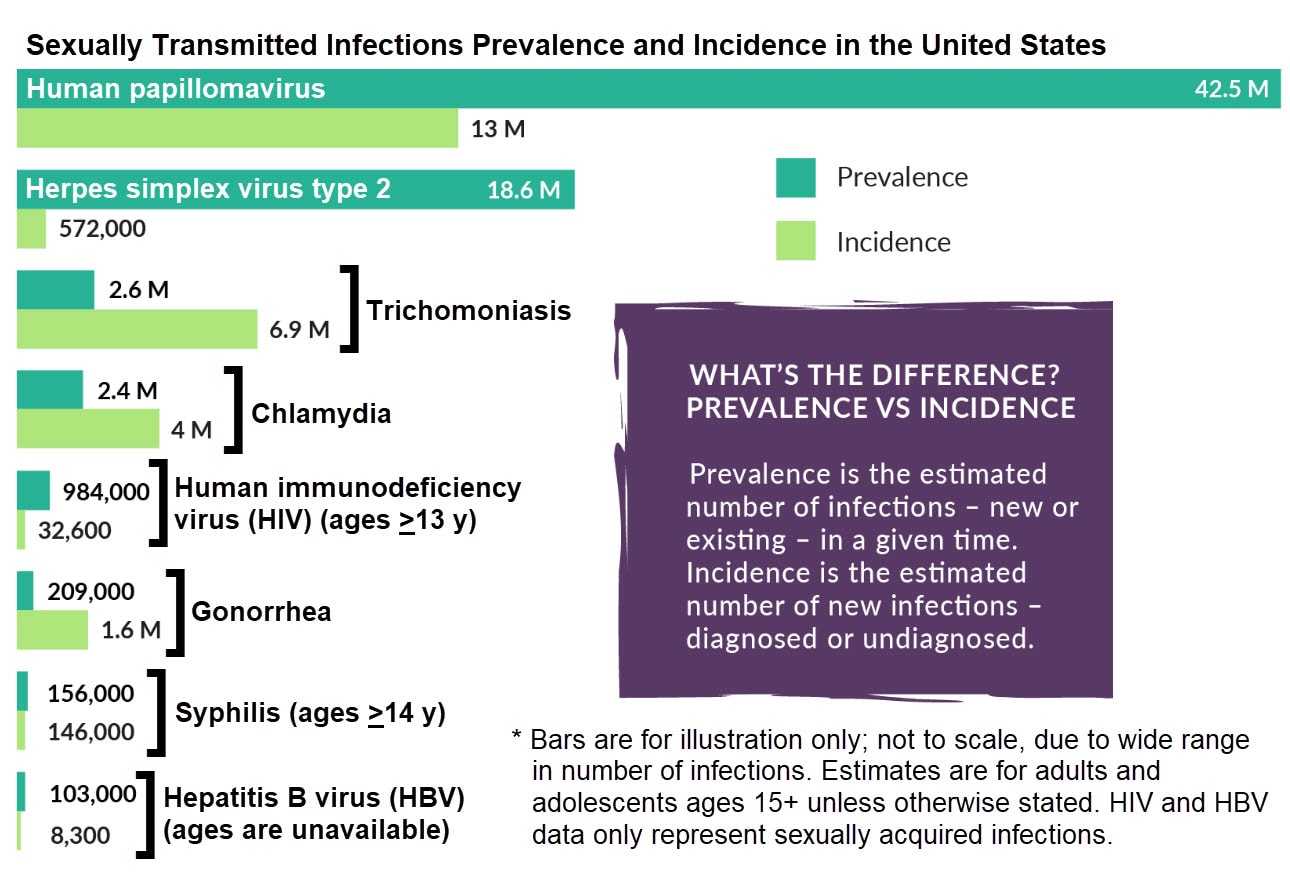
Sti burden remains substantial, but signs of progress continue In 2024, more than 2.2. Who has released new sexually transmitted infections (stis) guidance and policy implementation data, ahead of the sti & hiv 2025 world congress in montreal The new data highlights both progress and persistent challenges in national policy implementation.
Federal data shows that rates of new sexually transmitted infections are slowing in the u.s