What Are Asexual Reproduction Latest File Updates #996
Launch Now what are asexual reproduction prime viewing. Pay-free subscription on our visual library. Plunge into in a great variety of videos showcased in 4K resolution, tailor-made for superior streaming geeks. With fresh content, you’ll always have the latest info. Uncover what are asexual reproduction themed streaming in amazing clarity for a truly captivating experience. Enroll in our creator circle today to view members-only choice content with totally complimentary, no sign-up needed. Benefit from continuous additions and delve into an ocean of uncommon filmmaker media created for exclusive media junkies. Make sure to get one-of-a-kind films—rapidly download now! Explore the pinnacle of what are asexual reproduction bespoke user media with flawless imaging and special choices.
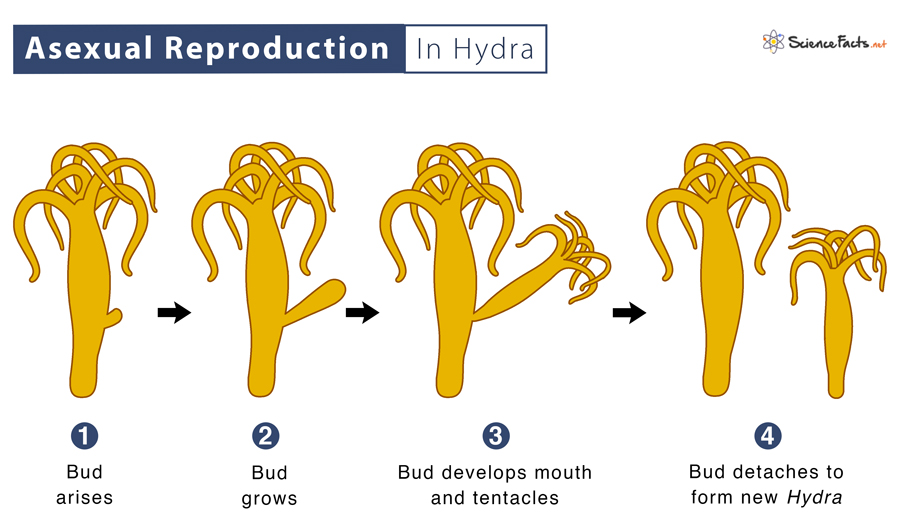
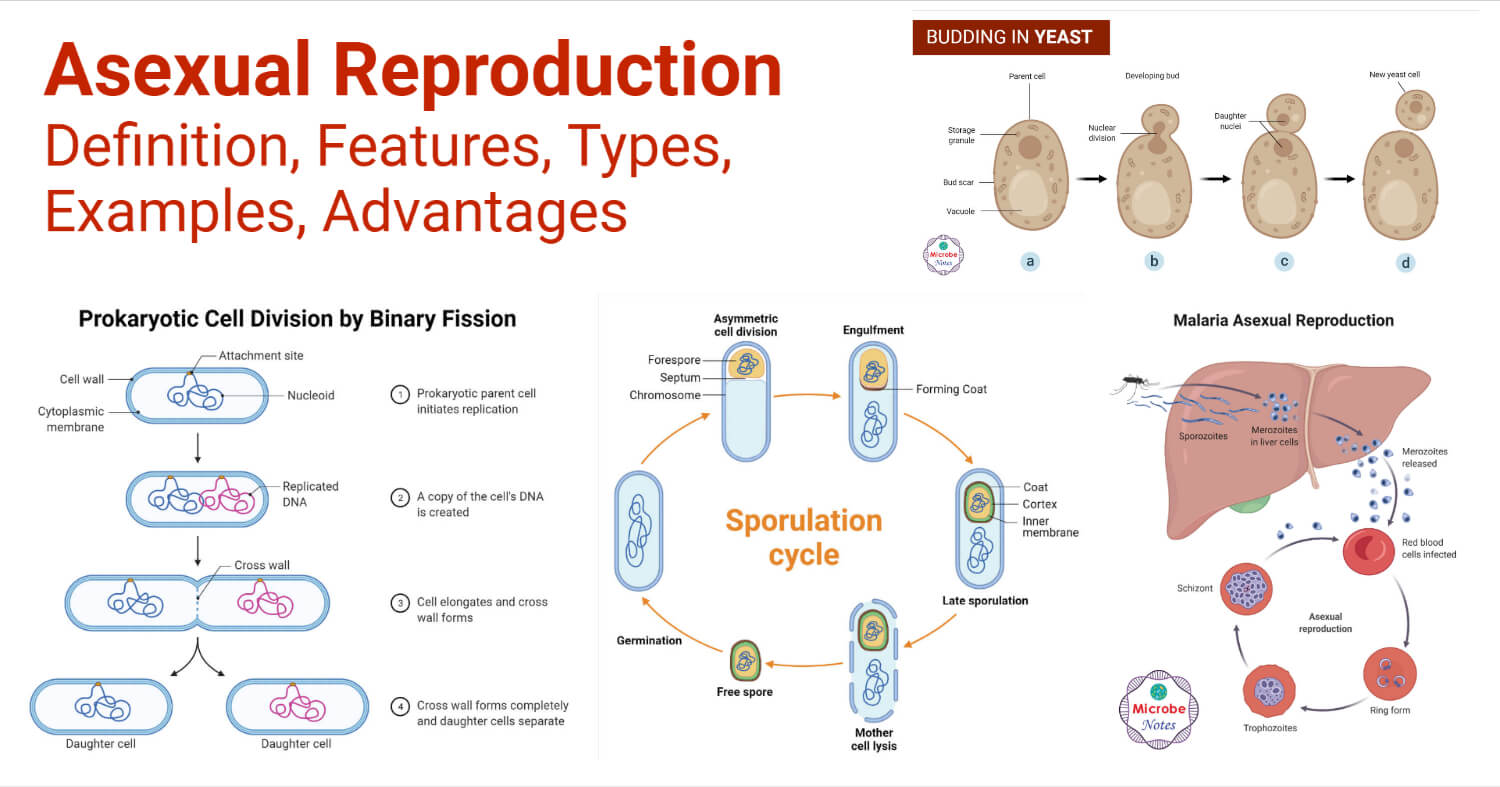
Asexual reproduction is a fundamental biological process through which a single organism produces offspring without the involvement of gamete fusion, or genetic exchange between two parents Asexual reproduction is the type of reproduction where offspring are produced without the fusion of male and female gametes. This process is widespread among.
DNA Replication – Definition, Types, Examples, & Diagram
Asexual reproduction living things use lots of different strategies for producing offspring, but most strategies fall neatly into the categories of either sexual or asexual reproduction This article delves into the mechanisms, classifications, implications, and. Asexual reproduction generates offspring that are genetically identical to a single parent.
Asexual reproduction is a mode of reproduction in which a new offspring is produced by a single parent
The new individuals produced are genetically and physically identical to each other, i.e., they are the clones of their parents Asexual reproduction is observed in both multicellular and unicellular organisms This process does not involve any kind of gamete fusion and there won’t be any. Asexual reproduction is especially common in environments where stability favors rapid, clonal reproduction
Aphids, for instance, reproduce asexually during spring and summer when conditions are ideal As winter approaches, they switch to sexual reproduction, creating genetically diverse offspring better suited for survival in harsh conditions. Asexual reproduction represents a fundamental biological strategy for organismal propagation, circumventing the meiotic processes and gametic fusion inherent in sexual reproduction