What Will Happen To The Offspring Of Asexual Reproduction Newly U #956
Jump In what will happen to the offspring of asexual reproduction hand-selected live feed. Freely available on our video portal. Get lost in in a large database of themed playlists displayed in high definition, a dream come true for choice streaming connoisseurs. With trending videos, you’ll always keep abreast of. Explore what will happen to the offspring of asexual reproduction tailored streaming in crystal-clear visuals for a remarkably compelling viewing. Enter our content collection today to browse restricted superior videos with absolutely no charges, no commitment. Be happy with constant refreshments and investigate a universe of original artist media perfect for top-tier media lovers. Grab your chance to see exclusive clips—get it fast! Experience the best of what will happen to the offspring of asexual reproduction rare creative works with exquisite resolution and hand-picked favorites.
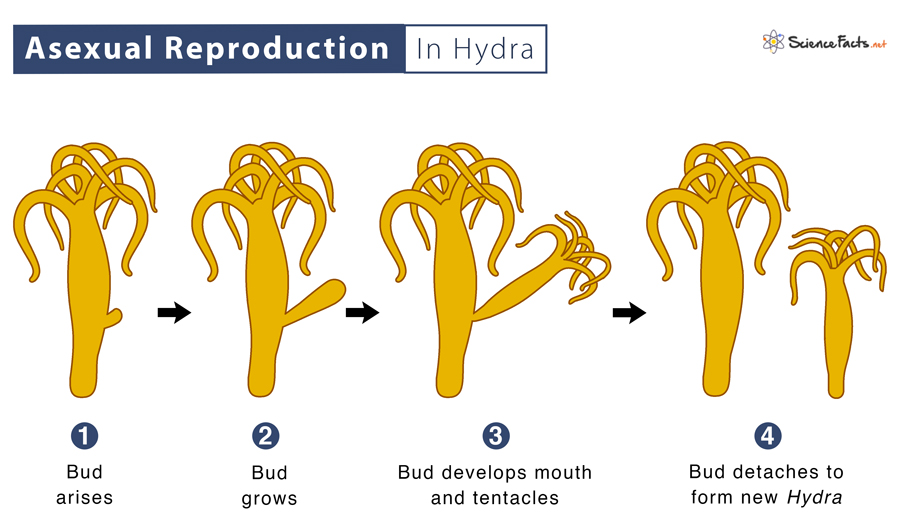
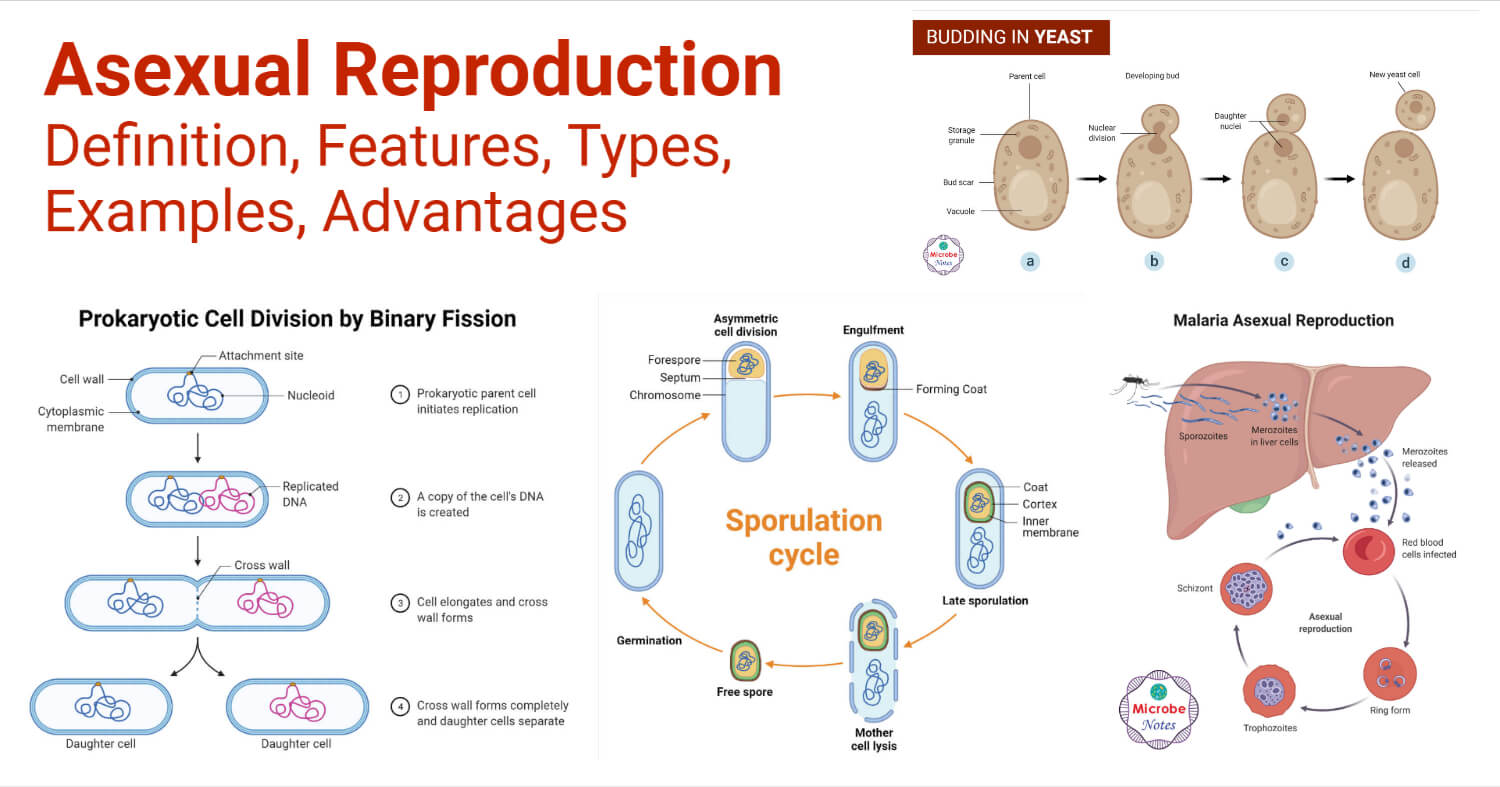
Asexual reproduction produces offspring that are genetically identical to the parent because the offspring are all clones of the original parent. Asexual reproduction generates offspring that are genetically identical to a single parent. Asexual reproduction is a mode of reproduction in which a new offspring is produced by a single parent
DNA Replication – Definition, Types, Examples, & Diagram
The new individuals produced are genetically and physically identical to each other, i.e., they are the clones of their parents Asexual reproduction living things use lots of different strategies for producing offspring, but most strategies fall neatly into the categories of either sexual or asexual reproduction Asexual reproduction is observed in both multicellular and unicellular organisms
This process does not involve any kind of gamete fusion and there won’t be any.
Asexual reproduction creates identical offspring from one parent, with diversity mainly from mutations Sexual reproduction combines genes from two parents, ensuring diverse and unique offspring Sexual reproduction promotes genetic diversity, which is essential for evolution through natural selection. Asexual reproduction is a fundamental biological process through which a single organism produces offspring without the involvement of gamete fusion, or genetic exchange between two parents
This process is widespread among. Animals produce offspring through asexual and/or sexual reproduction Both methods have advantages and disadvantages Asexual reproduction produces offspring that are genetically identical to the parent because the offspring are all clones of the original parent
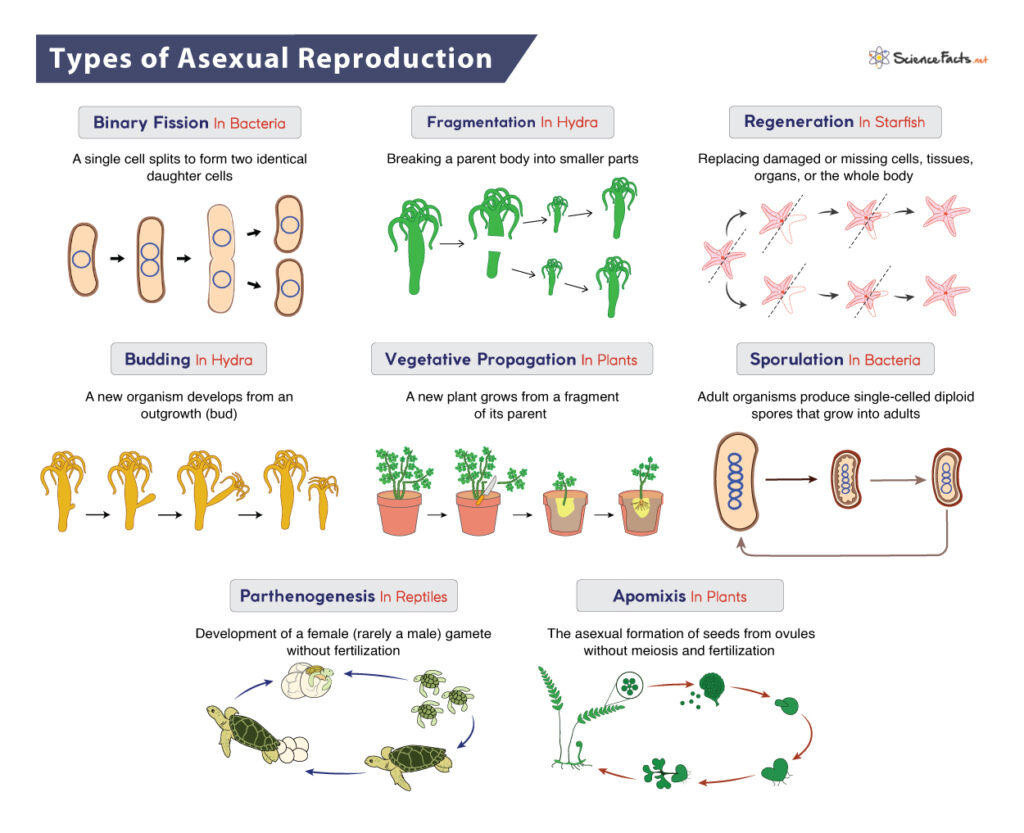
A single individual can produce offspring asexually and large numbers of offspring can be produced quickly
In a stable or predictable environment, asexual reproduction is an effective means of reproduction because all the offspring will be adapted to that environment.