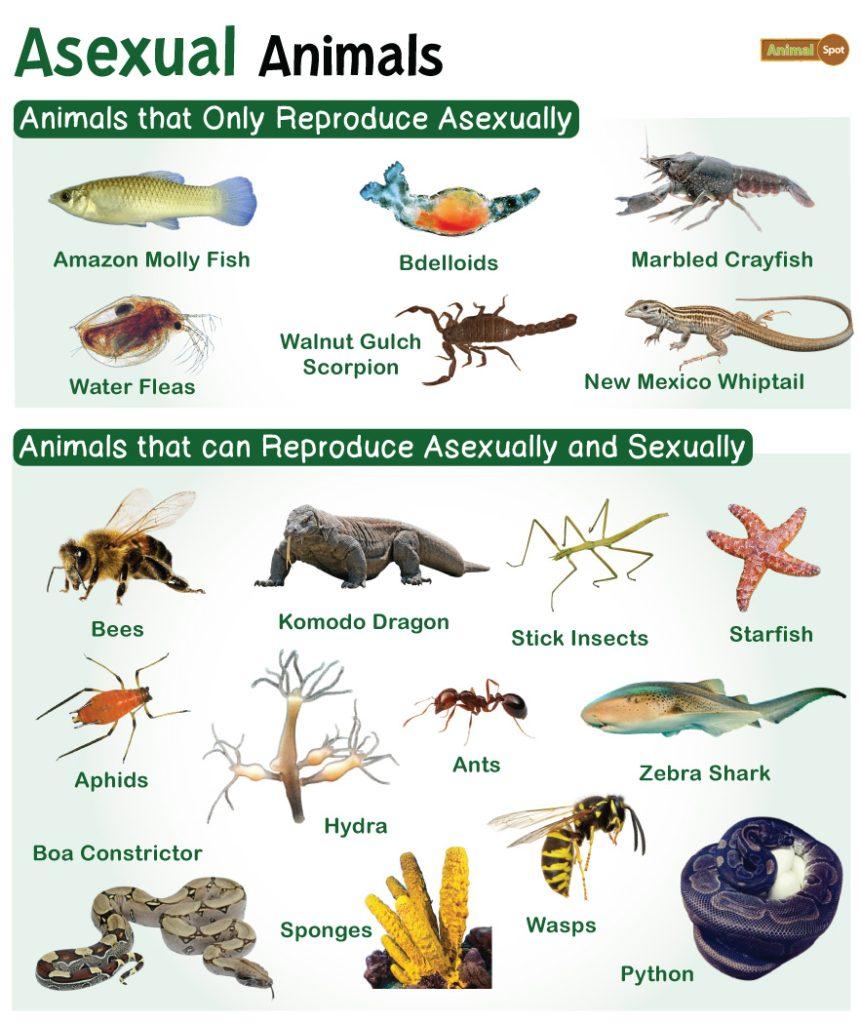
Organisms That Reproduce Asexually Exclusive Creator Content #944
Get Started organisms that reproduce asexually select digital broadcasting. No strings attached on our video archive. Engage with in a sprawling library of videos on offer in crystal-clear picture, tailor-made for passionate viewing enthusiasts. With newly added videos, you’ll always stay on top of. Browse organisms that reproduce asexually themed streaming in amazing clarity for a absolutely mesmerizing adventure. Sign up today with our entertainment hub today to witness one-of-a-kind elite content with for free, no commitment. Appreciate periodic new media and journey through a landscape of indie creator works developed for top-tier media savants. This is your chance to watch distinctive content—begin instant download! Get the premium experience of organisms that reproduce asexually uncommon filmmaker media with impeccable sharpness and curated lists.
Several criteria, few of which are widely accepted, have been proposed to define what constitutes an organism It has a starting point and an ending point. Among the most common is that an organism has autonomous reproduction, growth, and metabolism
Budding Asexual Reproduction In Plants
This would exclude viruses, even though they evolve like organisms. An organism is a unit of life that is distinct in time A living thing that has an organized structure, can react to stimuli, reproduce, grow, adapt, and maintain homeostasis
The term organism comes from the greek organon, meaning “instrument”
As organisms progress through their life cycle, they undergo various stages, from birth to maturity, and eventually reproduction In conclusion, an organism is a dynamic and complex entity, exhibiting a myriad of characteristics that distinguish it from inanimate matter. Organisms are the fundamental units of life, diverse in form and function, inhabiting every corner of our planet From the simplest bacteria to the most complex human, organisms play vital roles in maintaining ecological balance, supporting life cycles, and driving biological innovation.
Something having many related parts that function together as a whole An individual living thing that carries on the activities of life by means of organs which have separate functions but are dependent on each other A living person, plant, or animal. Organisms can be defined as a living thing, a unique, complex organization exhibiting the significant characteristics
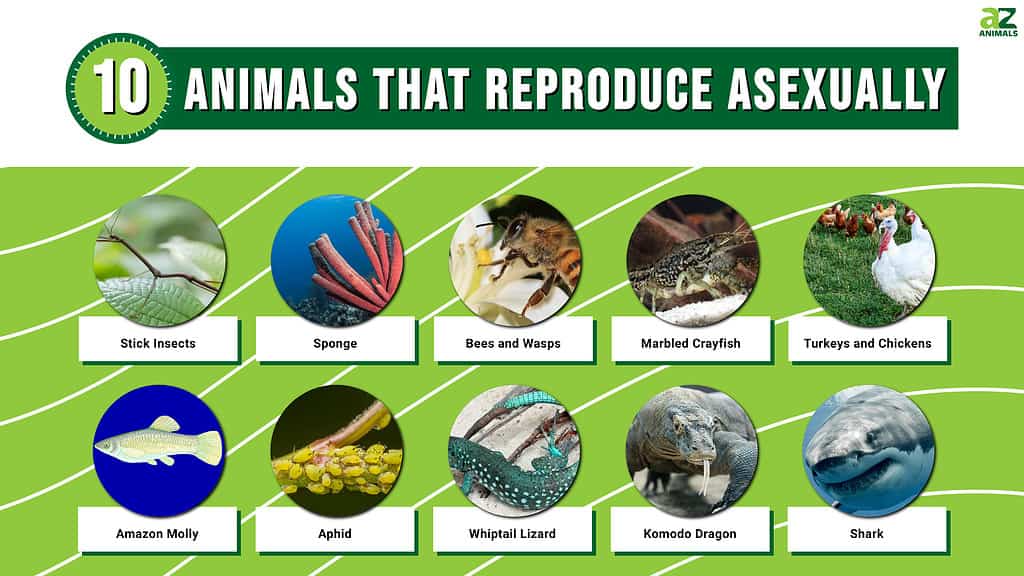
Monera, protista, fungi, plantae, animalia.
Organisms are living entities that exhibit the characteristics of life, including growth, reproduction, response to stimuli, and metabolism They can be unicellular or multicellular and are classified into various categories such as plants, animals, fungi, and microorganisms. All living organisms consist of cells, which serve as the fundamental units of life Cells can be prokaryotic, like bacteria, or eukaryotic, such as plants and animals.