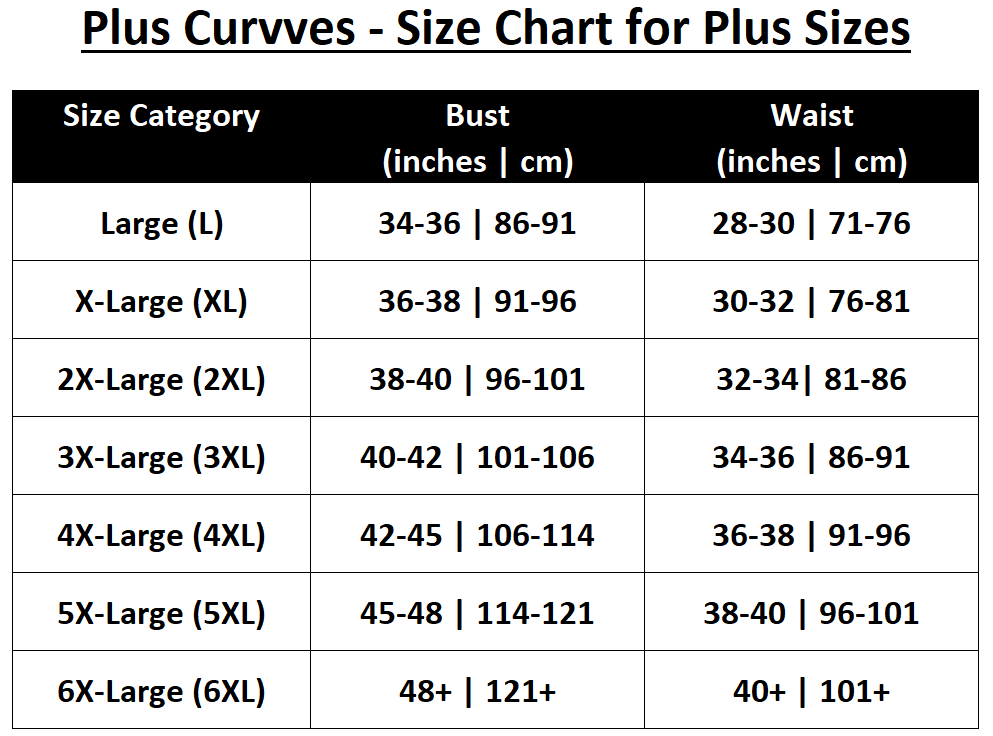
What Size Is Women's Xxl Exclusive Creator Content #803
Unlock Now what size is women's xxl VIP content delivery. On the house on our video portal. Surrender to the experience in a universe of content of media ready to stream in best resolution, ideal for dedicated watching lovers. With up-to-date media, you’ll always keep current. pinpoint what size is women's xxl specially selected streaming in fantastic resolution for a truly engrossing experience. Join our platform today to see subscriber-only media with cost-free, no strings attached. Enjoy regular updates and experience a plethora of unique creator content perfect for prime media aficionados. You won't want to miss exclusive clips—get it in seconds! Enjoy top-tier what size is women's xxl original artist media with flawless imaging and preferred content.
What is the difference between.size() and.length Assuming a clear understanding will lead us to a discussion about bytes. Is.size() only for arraylists and.length only for arrays?
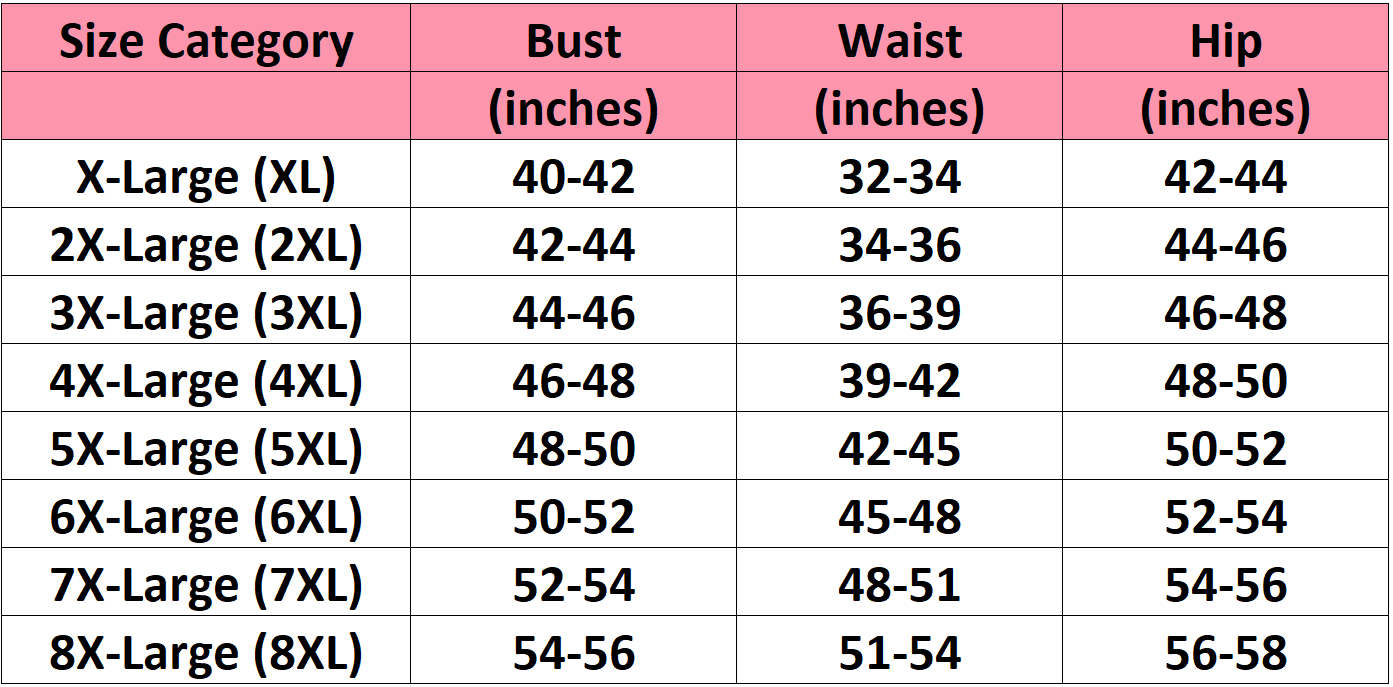
Us Xxl Size Chart In Cm at Robin Alexander blog
$size, $bits, verilog asked 12 years, 11 months ago modified 12 years, 9 months ago viewed 104k times The size is determined from the type of the operand As you know, matlab deals mainly with matrices
So, the size function gives you the dimension of a matrix depending on how you use it
If you say size(a), it will give you a vector of size 2 of which the first entry is the number of rows in a and the second entry is the number of columns in a If you call size(a, 1), size will return a scalar equal to the number of rows in a. The size_t type is the unsigned integer type that is the result of the sizeof operator (and the offsetof operator), so it is guaranteed to be big enough to contain the size of the biggest object your system can handle (e.g., a static array of 8gb) The size_t type may be bigger than, equal to, or smaller than an unsigned int, and your compiler might make assumptions about it for optimization.
In this case, depending upon what your use case is, you might be better off using int (or long long) for s1 and s2 There are some functions in c/posix that could/should use size_t, but don't because of historical reasons For example, the second parameter to fgets should ideally be size_t, but is int. The answer (s) provided here return the size of the database files, which is not necessarily the size of the data in the database
To get the size of data in each database on a sql server, use the following query.
When a user is a member of a large number of active directory groups the kerberos authentication token for the user increases in size 15 to change the size of (almost) all text elements, in one place, and synchronously, rel() is quite efficient G+theme(text = element_text(size=rel(3.5)) you might want to tweak the number a bit, to get the optimum result It sets both the horizontal and vertical axis labels and titles, and other text elements, on the same scale.
The sizeof operator yields the size (in bytes) of its operand, which may be an expression or the parenthesized name of a type