Sexual Vs Asexual Reproduction New Files Added In 2026 #632
Start Now sexual vs asexual reproduction world-class content delivery. Without subscription fees on our video archive. Lose yourself in a treasure trove of films presented in superb video, flawless for premium viewing fanatics. With the newest additions, you’ll always have the latest info. Check out sexual vs asexual reproduction themed streaming in vibrant resolution for a utterly absorbing encounter. Join our video library today to witness subscriber-only media with absolutely no charges, no credit card needed. Be happy with constant refreshments and navigate a world of uncommon filmmaker media perfect for choice media connoisseurs. You won't want to miss hard-to-find content—begin instant download! Discover the top selections of sexual vs asexual reproduction specialized creator content with exquisite resolution and top selections.
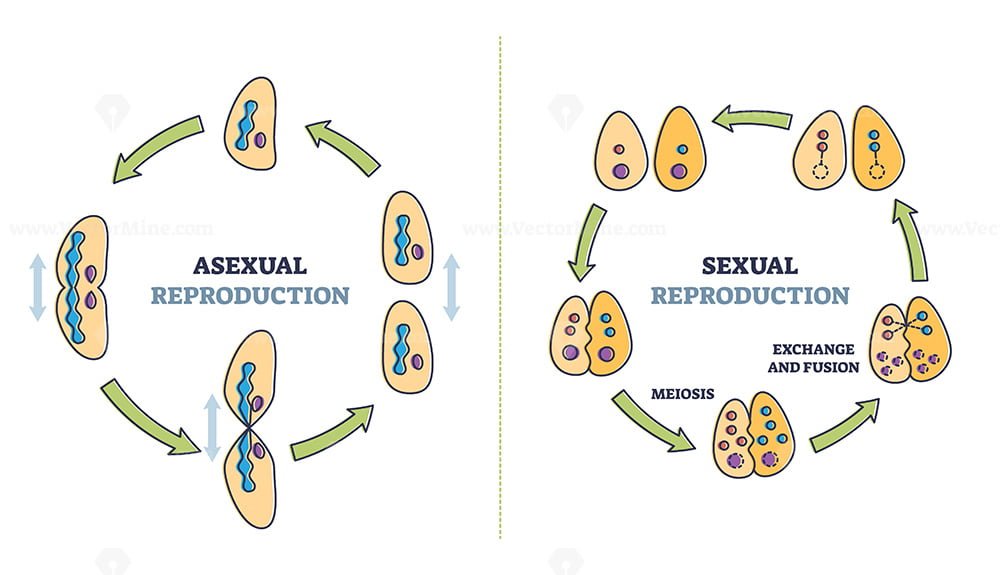
What's the difference between asexual reproduction and sexual reproduction Asexual and sexual reproduction, two methods of reproduction among animals, produce offspring that are clones or genetically unique. While asexual reproduction only involves one organism, sexual reproduction requires both a male and a female
Some plants and unicellular organisms reproduce asexually In national 4 biology learn how bacteria and plants reproduce asexually and how sexual reproduction in plants and animals introduces variation. Most mammals and fish use sexual reproduction
Some organisms like corals and komodo dr.
Sexual and asexual reproduction have advantages and disadvantages—which is why some organisms do both Click or tap an organism below After reading a description, you'll get to vote on whether you think the organism reproduces sexually, asexually, or both How well do you know your reproductive strategies?
Asexual reproduction definition asexual reproduction is a mode of reproduction that occurs without the fusion of gametes and doesn’t involve the exchange of genetic information, resulting in offsprings identical to their parents Asexual reproduction in living beings is characterized by the absence of male and female gametes and the lack of change in the number of chromosomes in the. Asexual reproduction creates identical offspring from one parent, with diversity mainly from mutations Sexual reproduction combines genes from two parents, ensuring diverse and unique offspring
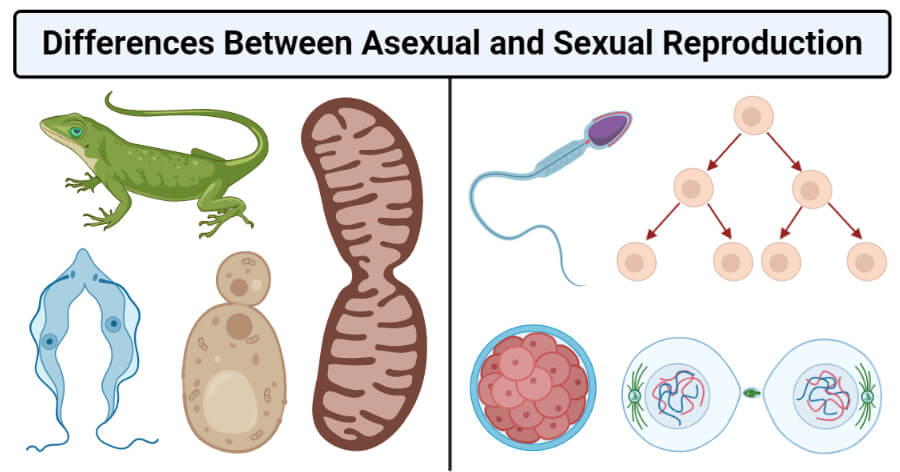
Sexual reproduction promotes genetic diversity, which is essential for evolution through natural selection.
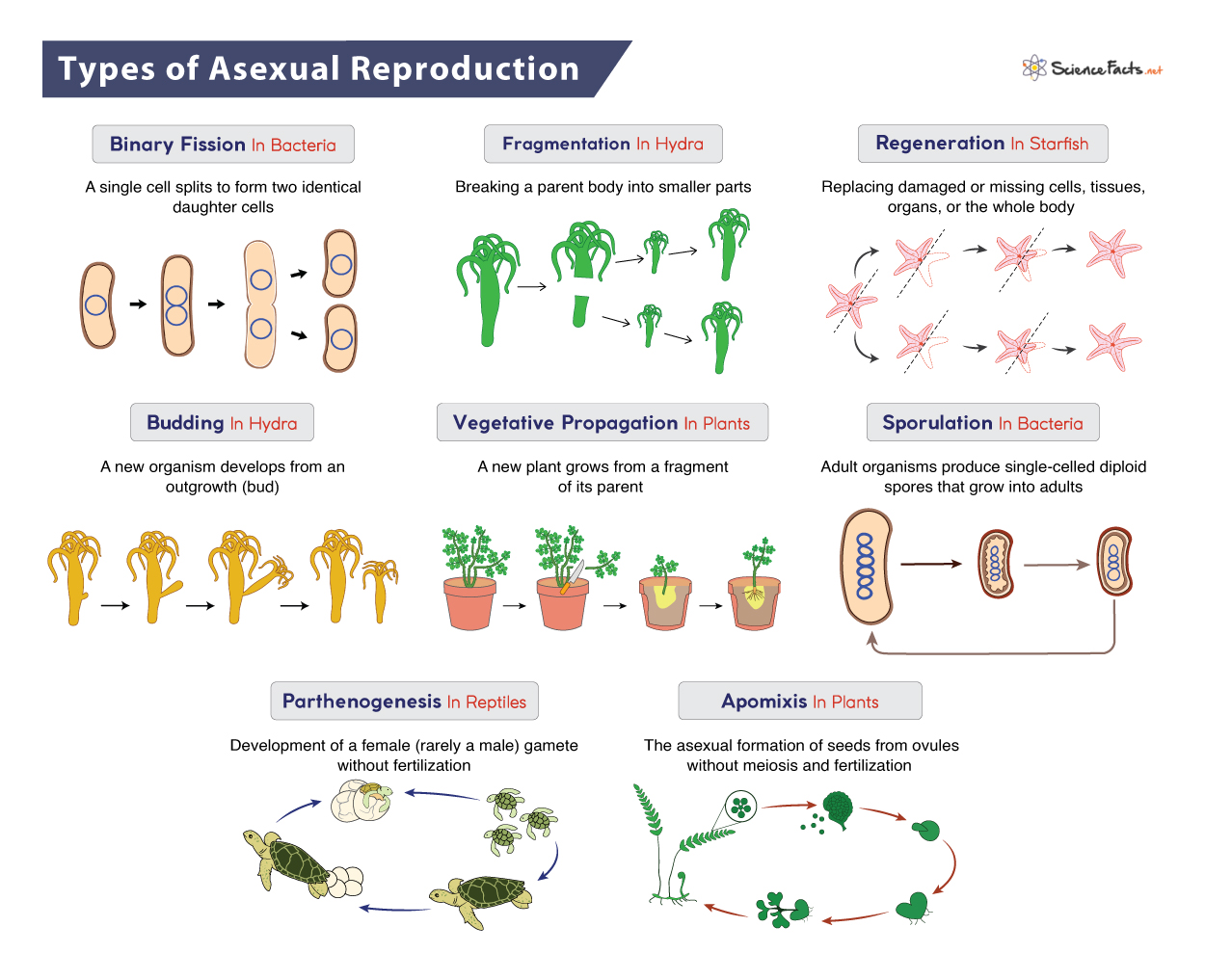
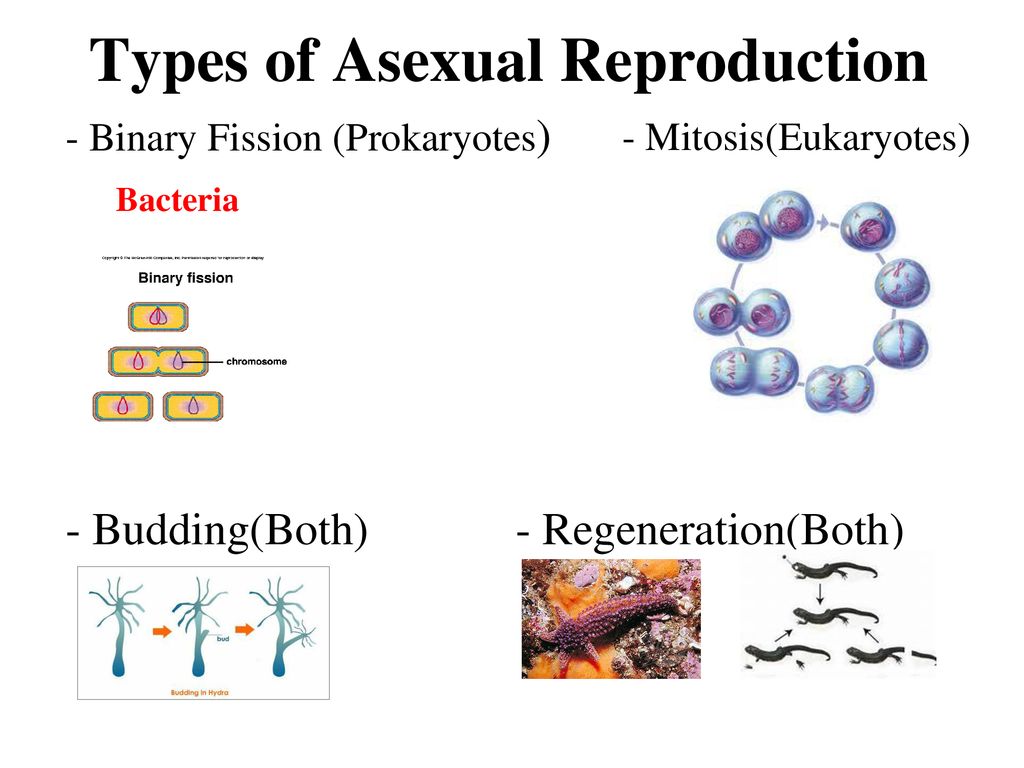
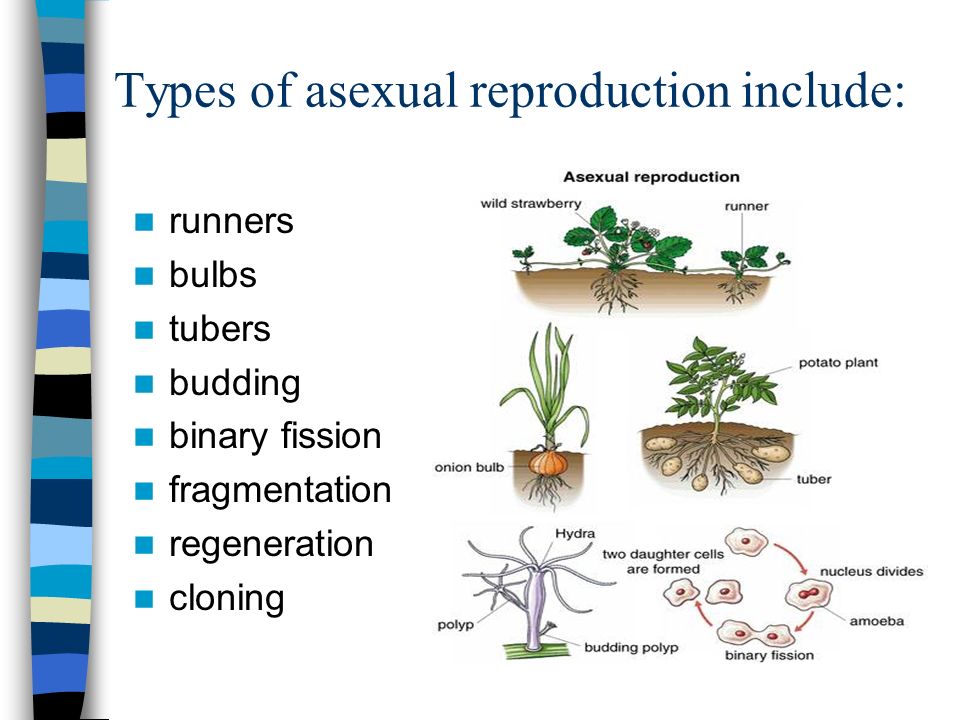
Asexual reproduction can occur through various mechanisms, including binary fission in bacteria, budding in yeast, and vegetative propagation in plants For instance, when a plant produces runners or offsets, it is essentially creating new individuals that are genetically identical to the parent plant.
![[Biology Class 10] Sexual vs Asexual Reproduction - Which is better?](https://d1avenlh0i1xmr.cloudfront.net/0edd7502-1758-4a9e-a60d-341eaad7f8d3/sexual-reproduction-vs-asexual-reproduction---teachoo.jpg)